How to Choose the Right Desert Safari in Dubai
Picking a desert safari in Dubai is less about finding the first appealing photo and more about matching the trip to your time, comfort level, and plans for the day. The desert can feel very different depending on the hour, the pace of the drive, and how much of the experience happens outside the vehicle. A little care at the start helps avoid a trip that feels too rushed, too rough, or not quite what you expected.
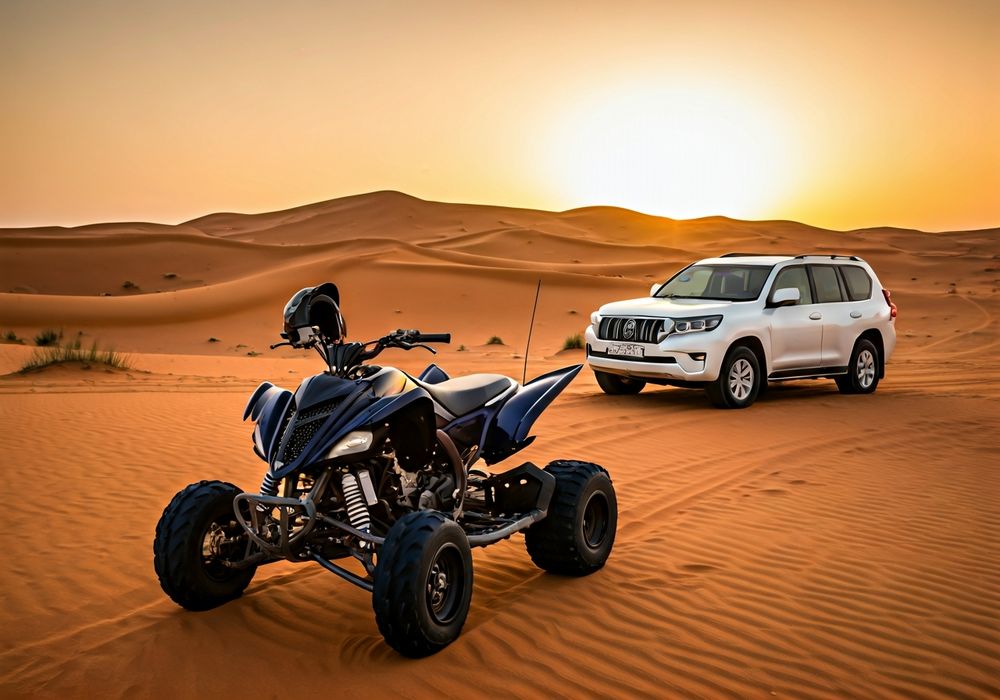
Start by deciding what kind of day you want. Some trips focus on thrill rides over dunes, while others give more space to camel riding, sunset photography, a falconry display, or a relaxed dinner under the sky. Families, couples, and groups often enjoy different balances. If the aim is a calm evening with entertainment, look for a plan that does not build the whole outing around fast driving. If the aim is adventure, check whether dune bashing is a central part and whether there are quieter moments around it.
Set your priorities before comparing details
Write down the parts of the desert experience that matter most. That short list makes the rest of the decision much easier. One person may care most about sandboarding and a long drive through the dunes. Another may want henna painting, an Arabian dinner, and time to take photos as the light changes. Both choices are valid, but they lead to different bookings.
Think about the people joining too. Younger children, older relatives, and anyone sensitive to motion may prefer a gentler route and more stops. A private arrangement can suit a family that wants space and flexible pacing. A shared trip can suit a solo traveller or a small group happy to follow a set schedule. The best fit is the one that matches the group, not just the most impressive description.
Time of day shapes the whole outing. A morning trip tends to feel brighter and cooler, with a clearer view of the dunes. An afternoon trip often builds toward sunset, which is a favourite for photography. Evening plans usually include dinner and entertainment, but they can run late and feel tiring after a full day in the city. Decide whether the desert is the main event or one part of a packed itinerary.
Read the itinerary as a sequence
A good itinerary tells you what happens, roughly when it happens, and how the activities connect. Watch for vague wording that promises many highlights without showing how they fit into the day. A plan with many short stops may look generous on paper but can feel fragmented in practice. A plan with one long drive and little else may disappoint anyone expecting a broader cultural experience.
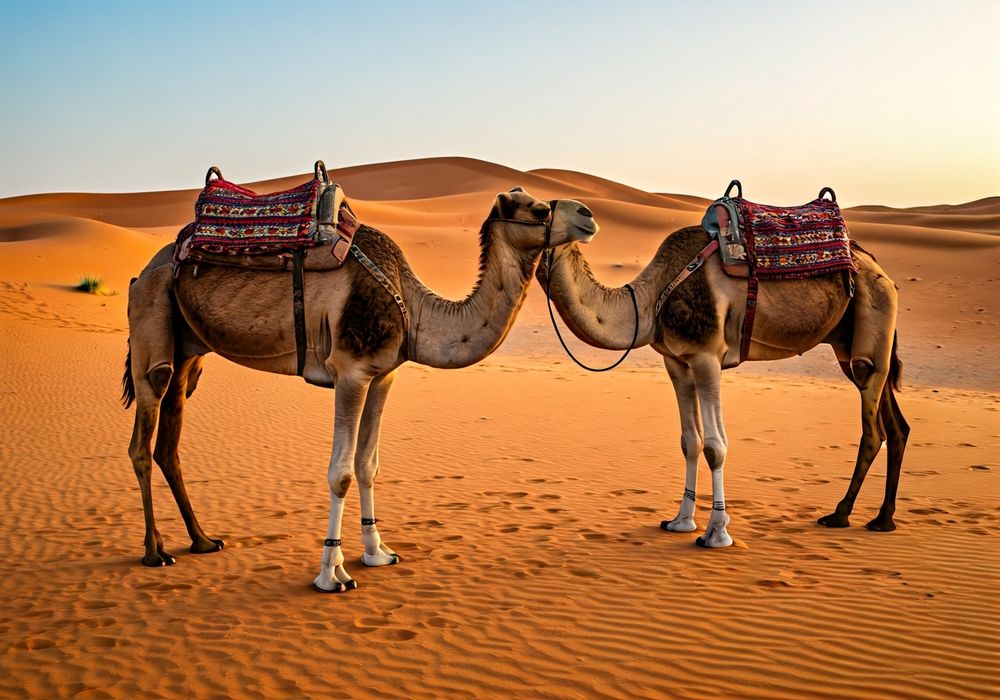
Look closely at how long each part lasts. Dune bashing can be exciting, but it is not the same as spending time at a camp or enjoying a quiet view across the dunes. Sandboarding may depend on the location and conditions. Camel riding may be brief, so check what is described rather than assuming it will be a long ride. A falconry display or henna painting may be offered at set times, not on demand.
Meals deserve the same attention. An Arabian dinner can be a simple buffet or a broader spread with grills and desserts. If dietary needs matter, check what can be accommodated before booking rather than on the day. Vegetarian choices, allergies, and preferences for spice are easier to discuss in advance. Drinks may not be included in every plan, so read the inclusions carefully.
Entertainment also varies. Some evenings include music, dance, or a show between dinner and the return journey. Others keep the focus on the setting and conversation. Neither is better by default. The right choice depends on whether you want a lively atmosphere or a quieter night in the desert.
Check practical details before you commit
Once the experience sounds right, move to the practical side. This is where a smooth day is either secured or made difficult. Check the pickup area, the return point, and the total duration. A long transfer can change how the trip feels, especially if you are staying far from the departure point. Ask whether pickup is from a hotel, a fixed meeting point, or arranged another way.
Transport is another point to review. Shared vehicles can be budget friendly but may include waiting for other guests. Private transport tends to offer more control over timing and stops. If motion sickness is a concern, ask how the route is driven and whether there is a chance to step out during the trip. This matters more than the vehicle label alone.
Comfort in the desert is not a small detail. Loose layers, closed shoes, sun protection, and a light scarf or jacket can help across changing conditions. In warmer months, a hat and water are useful. In cooler months, the evening can feel surprisingly cold once the sun goes down. If the plan includes sandboarding or walking on dunes, footwear becomes more important than style.
Photography needs its own planning. Sunset photography works best when there is time to stop and frame a shot, not when the vehicle is already heading back. Ask whether stops are built into the route and whether there is a chance to leave the vehicle in a safe area. Sand can be harsh on cameras and phones, so keep gear covered when it is not in use.
Names can be confusing when several operators use similar terms, so keep the focus on what is actually described. Camel Desert Safari Dubai is one name that may appear while you compare options, but the decision should still rest on the itinerary, inclusions, timing, and comfort. A clear description is more useful than a broad promise.
Compare inclusions without losing sight of pace
When two options seem similar, compare them line by line. Look at the activities, meal type, transport style, group size, and total time away from your base. Then consider the rhythm. A packed itinerary can feel efficient, but it can also leave little time to enjoy the desert. A shorter plan with fewer activities may feel better if the aim is to slow down.
Pay attention to what is not written. If a camp is mentioned, check whether entry, seating, and dinner are included. If entertainment is shown, check whether it is part of that plan or an extra at the venue. If camel riding is pictured, confirm whether it is included and how it fits into the schedule. Clear answers before booking prevent awkward questions later.
Group size changes the feel of a trip. A larger group can bring energy and shared excitement. It can also mean more waiting and less personal space. A smaller group may feel calmer and easier to manage, especially with children. If you are celebrating something or want a quieter evening, private arrangements may be worth considering.
Safety and suitability should be checked in plain language. Ask about seat belts, driver conduct, and what happens if a guest does not want a rough ride. Anyone with back problems, neck issues, or pregnancy should seek advice before choosing a bumpy activity. A responsible plan should allow guests to opt out of intense driving without missing the rest of the outing.
Match the choice to your schedule
Booking well does not mean filling every hour. Think about what happens before and after the trip. An evening safari after a long flight may sound appealing, but it can be draining. A morning option may suit a shorter stay or a day with other plans. If you want sunset photography, build in time to get ready and travel without rushing.
Weather and season also affect comfort. The desert landscape is beautiful in many conditions, but heat, wind, and cool evenings change what feels pleasant. Ask what the day usually looks like for the period you are travelling, then pack with flexibility. A layer you do not need is easier to carry than one you wish you had.
It helps to keep your decision simple: choose the experience first, then the operator that delivers it clearly. Camel Desert Safari Dubai may be one of the names you notice, but the right pick is still the plan that suits your group, your pace, and your time in the city. When the itinerary is specific, the inclusions are clear, and the practical details are settled, the desert day is far more likely to feel exactly as expected.